
New national standard for fuel cell vehicle hydrogen receptacles is published with Sunwise's participation
This archived announcement has been translated automatically from Chinese. Names and technical wording may require editorial verification. Original artwork is preserved where applicable.
Recently, the latest national standard GB/T 26779-2021, which was prepared with the participation of Sunwise (hereinafter “Sunwise”), was officially published, adding 70 MPa hydrogen mouth sizes and technical entries resistant to ozone ageing, salt-resistant fog corrosion, temperature-resistant cycles and compatibility tests, which will completely replace the old national markers (GB/T-2011).
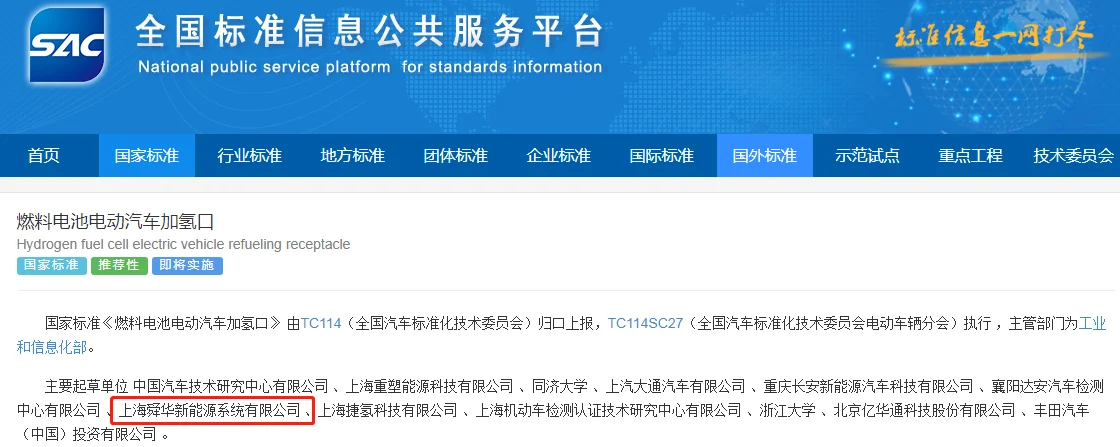
Sunwise is the main drafting unit for the country
During the preparation of the standards, Sunwise shared test data from the development of hydrogen vents with the standard working group, laying the foundation for the test methodology and operationality of the standards. In 2020, at the 2nd meeting of the Working Group on Fuel Cell Electrical Vehicle Standards in 2020, Sunwise conducted an in-depth study with the Group of Experts, which resulted in the adoption of the Sunwise recommendations on test methods and parameters such as compatibility tests, corrosivity tests, temperature resistance cycling tests and compatibility tests in the GB/T 26779-2021 criteria.
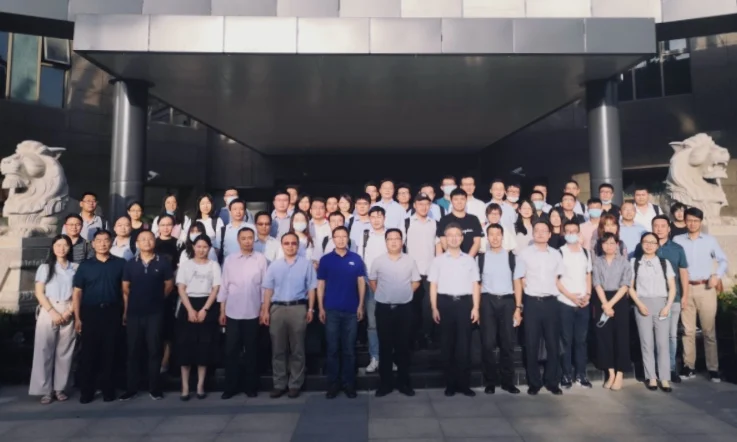
Sunwise with Standard Work
To date, Sunwise's editor-in-chief or participant has compiled 16 hydrogen energy-related standards at various levels, including 9 national standards covering various aspects of hydrogen-filling stations, vehicle-borne hydrogen storage systems, fuel for proton exchange film cells, hydrogen safety, etc., and one standard has been clearly routing and is being actively revised.
The standards underpin industrial development in general and the revision of national standards in particular determine the course of development of the domestic industry over the next few years or more. In the future, Sunwise will actively participate with his peers in the development of hydrogen energy standards, providing strong support for the development of hydrogen in China.
Prepared by: Zhang Poe
This post is part of our special coverage Libya Protests 2011.
English edition of the original Chinese page. Historical statements, dates and figures are retained as published.